

“What does K mean in text?” usually gets searched right after somebody sends you a painfully short reply and your brain instantly decides the friendship, relationship, or entire universe might be collapsing.
You send three thoughtful messages. Maybe even a meme. They reply with:
“K”
That’s it.
No emoji. No “okay.” No extra letter. Just one lonely consonant sitting there like a closed door.And now you’re staring at your phone trying to decode emotional Morse code.
Here’s the truth nobody says clearly enough: sometimes “K” means absolutely nothing. Other times, it quietly carries annoyance, boredom, emotional distance, passive aggression, or the digital equivalent of a sigh.
Tiny message. Big interpretation.Let’s unpack what “K” actually means in texting slang, why people use it, when it sounds rude, and how context changes everything.
| Topic | Details |
|---|---|
| Term | K |
| Main Meaning | OK / Okay |
| Usage | Text messages, social media, online chats |
| Tone | Neutral, casual, sometimes perceived as cold |
| Common Platforms | WhatsApp, Snapchat, Instagram, TikTok, Messenger |
| Example | “I’ll be there at 6.” → “K” |
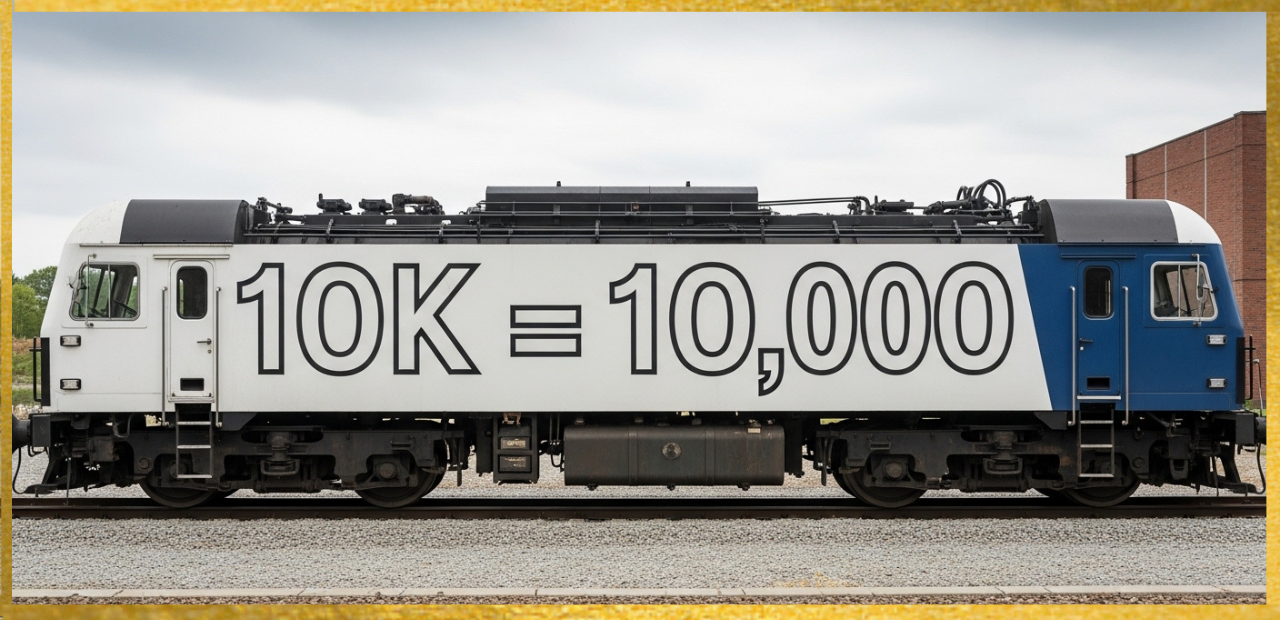
| Alternative Meanings | Thousand (e.g., 10K = 10,000), Kelvin (scientific use) |
| Context Matters | Can sound friendly, neutral, or dismissive depending on the conversation |
What Does K Mean in Text?
At its most basic level, K is simply a shortened version of:
- Okay
- OK
That’s the literal definition.But texting isn’t only about words anymore. Tone matters. Timing matters. Punctuation matters. Even the number of letters matters.
That’s why:
- “Okay” feels normal
- “Ok” feels casual
- “K” can feel cold
One missing letter suddenly changes the emotional temperature of a conversation. Strange little internet phenomenon, honestly.
The Literal Meaning of K
Historically, “K” became popular because texting evolved around speed.
Back when SMS messages had character limits and phone keyboards were painfully slow, people shortened everything:
- You → U
- Before → B4
- Okay → K
The abbreviation stuck around because digital communication rewards fast replies.
Sometimes people type “K” because:
- They’re busy
- They’re multitasking
- They’re distracted
- They simply don’t care about adding extra letters
No secret emotional conspiracy. Just efficiency.Other times though? Yeah. The tone changes.
The Emotional Meaning Behind K
This is where overthinking begins.
“K” can sound:
- Neutral
- Dry
- Annoyed
- Passive aggressive
- Dismissive
- Emotionally distant
The same letter means different things depending on the conversation tone.
Compare these examples:
Example 1
- “I’ll pick up food on the way home.”
- “K”
Probably harmless.Now compare this:
Example 2
- “Sorry if I upset you earlier.”
- “K”
Different energy completely.That second reply feels colder because emotional conversations usually expect warmth, reassurance, or engagement. A one-letter response creates tension by removing emotional cues.Humans naturally fill silence with assumptions.Texting silence counts too.
Why Context Changes Everything
This matters more than the actual letter itself.
You cannot interpret “K” correctly without context.
Things that change meaning:
- Relationship dynamics
- Conversation history
- Timing
- Platform
- Personality
- Mood
- Previous argument
Some people text dry naturally. Others only use “K” when irritated.You have to recognize patterns.A best friend who always sends short replies probably means nothing by it. A romantic partner suddenly switching from paragraphs to “K” after an argument? Different story entirely.
Is K Rude in Text Messages?
Sometimes yes.
Sometimes not even remotely.
That ambiguity is exactly why people Google it so much.
When K Sounds Normal
“K” feels neutral when:
- The conversation is casual
- Fast replies make sense
- No emotional topic exists
- The sender naturally texts briefly
Examples:
- “Movie starts at 8.”
- “K”
Or:
- “I’m outside.”
- “K coming”
No hidden drama there.
Just communication moving quickly.
When K Feels Cold
Now look at this:
- “Do you still wanna talk later?”
- “K”
Oof.
That response feels emotionally flat because the conversation needed engagement. The short reply creates distance.
People often interpret “K” as cold when:
- It interrupts emotional flow
- It replaces a longer usual response
- It appears after conflict
- It lacks warmth or reassurance
The human brain notices missing effort fast.
Passive-Aggressive Interpretations
This is where “K” gained its reputation online.
Many people use it intentionally to signal:
- Irritation
- Disinterest
- Frustration
- Emotional withdrawal
Especially in relationship texting.
Examples:
- “Sorry.”
- “K”
Or:
- “I forgot our plans.”
- “K.”
That period at the end? Somehow even scarier.
Linguists studying digital communication have pointed out that punctuation and message length now act like emotional signals in online chat. A short response can communicate emotional distance without explicitly saying anything negative.
Which is honestly kind of fascinating.
And slightly terrifying.
Why People Overthink K
Because texting removes:
- Facial expressions
- Voice tone
- Body language
So your brain starts searching for emotional clues elsewhere.
Length becomes tone.
Punctuation becomes mood.
Response time becomes emotional evidence.
That’s why one-letter replies trigger so much anxiety in modern messaging apps like WhatsApp, Snapchat, and Instagram DM conversations.
People read between lines that barely exist.
K Meaning Across Different Platforms
Platform culture changes how “K” feels.
Not dramatically. But enough to matter.
K on Snapchat
Snapchat conversations move fast and casually.
“K” there often feels less serious because:
- Messages disappear
- Conversations are rapid-fire
- Users type quickly
- Slang dominates communication
Still, after an argument? Yeah, “K” can absolutely feel icy.
K on WhatsApp
WhatsApp tends to carry more emotional weight because people use it for:
- Family chats
- Relationships
- Daily communication
- Longer conversations
So a sudden “K” on WhatsApp often stands out more sharply than it would elsewhere.
Especially if someone normally writes full sentences.
K on Instagram DMs
Instagram DMs lean casual and social.
“K” here commonly appears:
- During quick reactions
- In meme exchanges
- In casual chats
- While multitasking conversations
Tone still matters though.
A dry reply in DMs can absolutely signal boredom or lack of interest.
K in TikTok Culture
TikTok helped normalize ultra-short communication.
You’ll constantly see:
- “K”
- “bet”
- “fr”
- “ok”
- “lmao”
Minimalist replies became part of Gen Z texting culture. Sometimes emotional meaning exists. Sometimes it’s literally just typing laziness.
The internet loves efficiency.
K in Gaming Chats
Gaming communication prioritizes speed more than politeness.
“K” in gaming often simply means:
- understood
- okay
- got it
No emotional analysis required.
Usually.
Real Examples of K in Conversations

Examples reveal tone better than explanations alone.
Friendly Examples
Example 1
- “Meet you at 6?”
- “K sounds good”
Warm. Casual. Fine.
Example 2
- “Sending the pics now.”
- “K tysm”
No tension whatsoever.
Annoyed Examples
Example 1
- “I forgot to call you.”
- “K”
Short. Abrupt. Emotionally stiff.
Flirty Examples
Oddly enough, “K” can even become playful depending on context.
Example
- “Miss me?”
- “k maybe a little”
Tone changes everything.
Dry Texting Examples
Dry texting usually means minimal emotional effort.
Examples:
- “How was your day?”
- “K”
Or:
- “Want to hang out later?”
- “K”
That second one feels especially awkward because enthusiasm disappeared completely.
Difference Between K, OK, Okay, and KK
Tiny wording changes completely alter emotional perception.
| Term | Tone | Common Interpretation |
|---|---|---|
| K | Short/cold | Neutral or annoyed |
| OK | Standard | Neutral |
| Okay | Softer | Conversational |
| KK | Friendly | Casual and upbeat |
“KK” became popular because people realized plain “K” sometimes sounded too harsh.
So they doubled it.
Internet language solving internet problems.
Why “Okay” Feels Warmer
Longer responses generally feel more emotionally engaged.
Compare:
- “K”
- “Okay :)”
The second one sounds dramatically friendlier even though both technically mean the same thing.
Humans react emotionally to writing patterns more than they realize.
Why People Use K Instead of Okay
Not everybody sending “K” is secretly angry.
Actually, most aren’t.
Faster Typing
One letter is quicker.
That’s genuinely the reason half the time.
Casual Communication Habits
Some people naturally communicate minimally online.
Especially:
- Gen Z users
- Gamers
- Frequent texters
- Social media-heavy users
Short responses become habit.
Emotional Distance
Sometimes though, the shortness is intentional.
“K” can create emotional space without openly starting conflict.
That’s why passive-aggressive texting often uses minimal replies.
Gen Z Texting Trends
Modern internet slang rewards brevity constantly.
TikTok comments. Snapchat streaks. Discord chats. Gaming lobbies.
Communication became compressed.
Entire moods now fit into:
- “k”
- “bet”
- “lol”
- “ight”
Language online keeps shrinking while emotional interpretation keeps expanding.
Very weird tradeoff.
How to Respond to K

This depends entirely on tone.
If the Tone Feels Neutral
Relax.
Seriously.
Not every short reply hides emotional disaster.
Continue naturally:
- “Cool see you later”
- “Gotcha”
- “Sounds good”
If the Person Seems Upset
Address tension directly instead of decoding cryptic clues forever.
Example:
- “You good?”
Simple. Calm. Mature.
When to Ignore Overthinking
If someone consistently texts briefly, don’t suddenly panic because they sent “K.”
Patterns matter more than isolated messages.
When to Ask Directly
If the conversation genuinely feels tense:
- Ask politely
- Avoid accusations
- Don’t escalate assumptions
Texting already creates enough confusion on its own.
Is K Slang or Proper English?
“K” is considered informal internet slang.
You’ll mostly see it in:
- Text messages
- Snapchat
- TikTok comments
- Instagram DMs
- Gaming chats
You generally should avoid it in:
- Professional emails
- Academic writing
- Formal communication
Unless your boss types like a Discord moderator.
Similar Internet Slang Terms
If you’re learning texting slang, these abbreviations appear constantly alongside “K”:
| Slang | Meaning |
|---|---|
| KK | Friendly okay |
| LOL | Laughing out loud |
| TBH | To be honest |
| NGL | Not gonna lie |
| WYD | What you doing |
| FR | For real |
| RN | Right now |
Online communication basically created its own evolving dialect.
And it changes ridiculously fast.
Read this blog https://naxovater.com/s-ts-mean-in-a-text/
Frequently Asked Questions
What does K mean in texting?
“K” is a shortened version of “okay,” though tone and context can make it sound neutral, cold, annoyed, or dismissive.
Is replying with K rude?
Sometimes. It depends on the conversation, emotional context, and the sender’s normal texting style.
What does K mean from a girl?
The meaning depends more on tone and relationship dynamics than gender. It could mean neutral acknowledgment or emotional distance.
What’s the difference between K and OK?
“OK” generally sounds more neutral and conversational, while “K” can feel shorter or colder.
What does KK mean in text?
“KK” usually sounds friendlier and more upbeat than plain “K.”
Final Thoughts
One tiny letter somehow became one of the most emotionally analyzed things in digital communication.
Wild sentence. Completely true.
Sometimes “K” means:
- okay
- understood
- sure
- fine
- leave me alone
- I’m busy
- I’m annoyed
- absolutely nothing at all
That’s why context beats dictionary definitions every single time.
So next time somebody replies with “K,” maybe don’t immediately assume your entire relationship entered its villain origin story phase.
Maybe.
Still depends on the period afterward, though.